

Moving from a home full of memories: how to say goodbye and start over
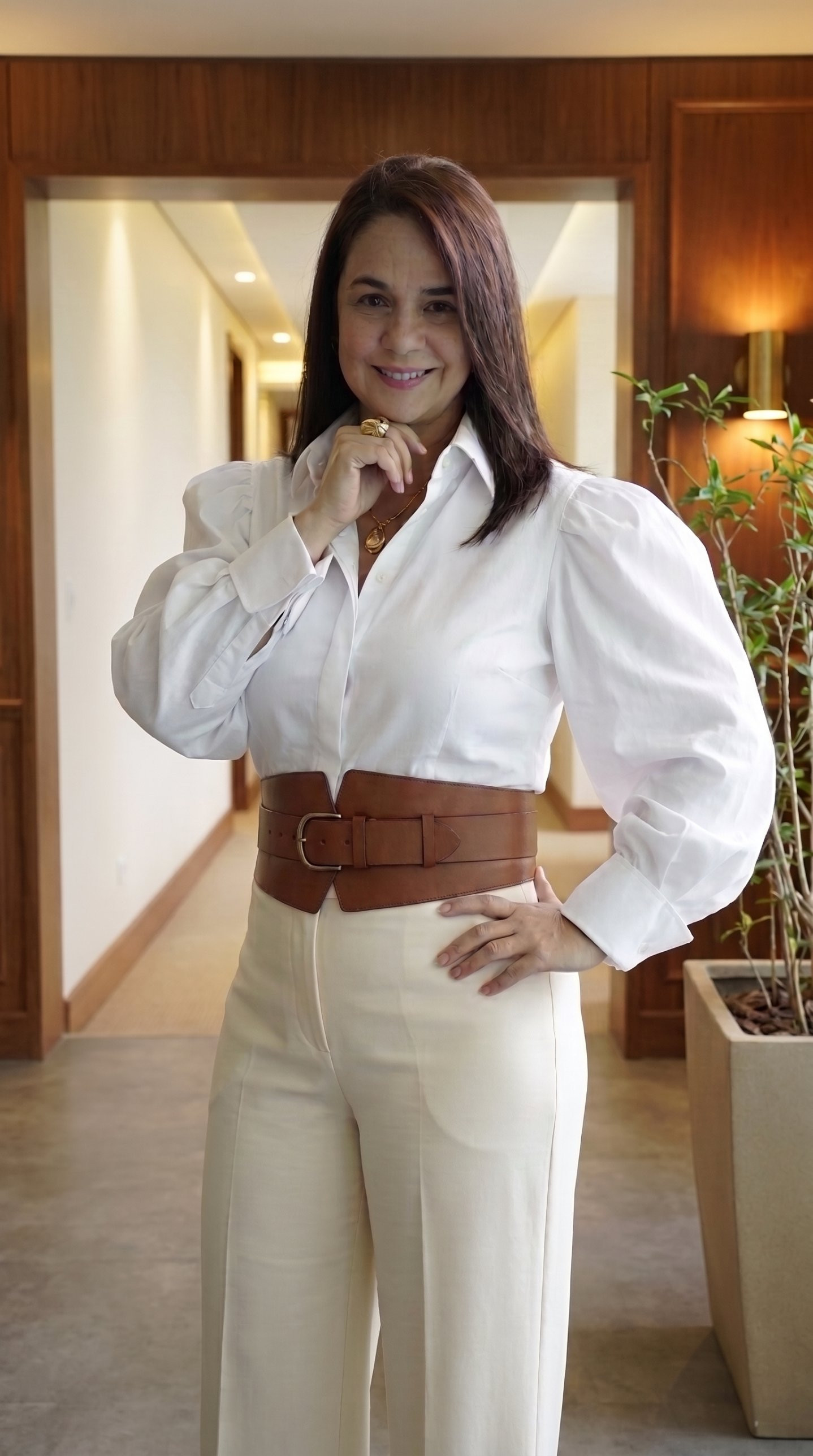 By Tanya Díaz · December 14, 2026 · 4 min read
Some homes are much more than square meters. They are the hallway where the children's height was measured, the Sunday kitchen, the balcony of long conversations. When the time comes to leave such a home, the move stops being a formality and becomes a farewell.
In nearly thirty years accompanying families through this step, I have learned that selling or leaving a home with history is rarely just a practical decision. And it is completely fine that it is not.
What you feel is normal
It is common to feel several things at once: relief about the change, excitement for the new, and, at the same time, a sadness that sometimes arrives unannounced, when closing a drawer or seeing an empty wall. Some people feel guilt, as if leaving the house meant leaving behind those who lived in it. Others feel fear that the memories will stay within those walls.
None of this means the decision is wrong. It means that place was important. Giving a name to what you feel, rather than rushing it, usually makes the process more manageable.
Some ideas to say goodbye calmly
- Give yourself time. If you can, begin organizing weeks in advance. Going through the house in parts, one room at a time, allows you to review every corner without feeling overwhelmed.
- Choose with intention what you take. You do not need to keep everything to preserve the memory. Choose the objects that truly tell your story and find a good destination for the rest: a family member, someone in need, a new life for each thing.
- Save the memories that do not fit in a box. Take photographs of each space just as it is, record a video walking through the house, write down the stories that come to mind. Over the years, that record is worth a great deal.
- Have a farewell. A final family dinner, an afternoon with lifelong friends, or simply a moment alone in your favorite spot in the house. Closing a cycle with a gesture helps release it.
- Include the whole family. Children, grandchildren, and partners experience the move in their own way. Giving them a space to share their opinion, choose something to take, or recount their favorite memory makes the change everyone's.
- Ask for help with the practical matters. Delegating the boxes, transportation, and paperwork leaves you with energy for what only you can do: say goodbye.
The first period in the new home
The first few days in a new home can feel strange. The sounds are different, the light enters differently, things do not have their place yet. It is part of the process, and it does not last forever.
It helps a great deal to place something from the previous home in a visible spot from day one: a painting, the familiar table, a plant. It also helps to establish small routines soon: coffee in the same corner every morning, a walk through the neighborhood, meeting the neighbors. Little by little, the unknown becomes familiar.
Memories move with you
Memories do not live in the walls. They live in people, and they move with you. The home you leave will remain part of your history, and perhaps now it is time for another family to begin theirs within those same walls.
And the new home has something the previous one could no longer give you: everything that has not happened yet. The first dinner, the first visit from the grandchildren, the first Christmas, the laughter you do not yet know. Every home that holds memories today was once a new, empty house.
My advice: allow yourself to feel the farewell without rush, but do not close the door to excitement. The best part of your new home is yet to be written.
Write to me and we will discuss it calmly.
Write via WhatsApp